5 Signs Your Spray Foam Job Was Installed Wrong (And What to Do About It)
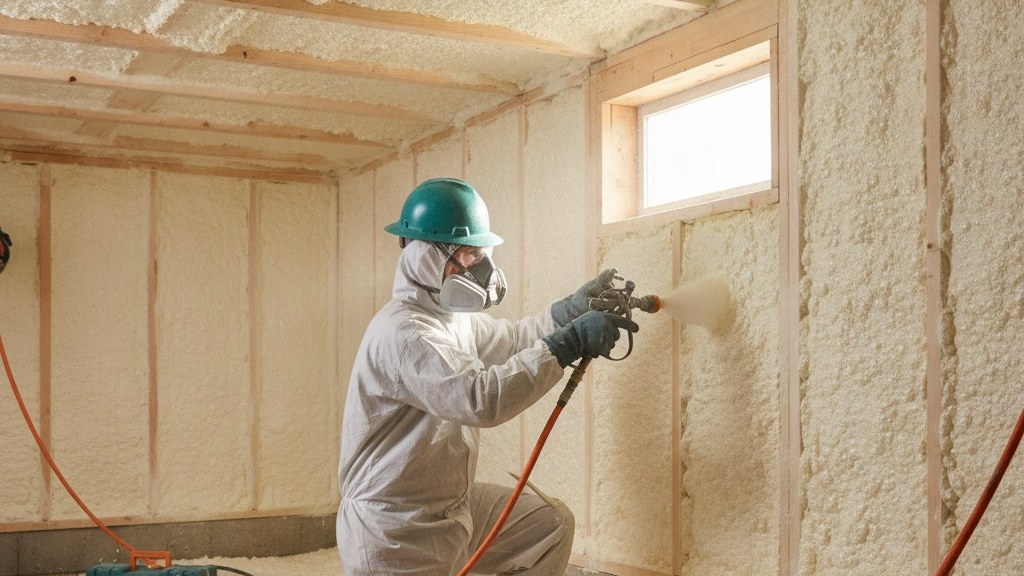
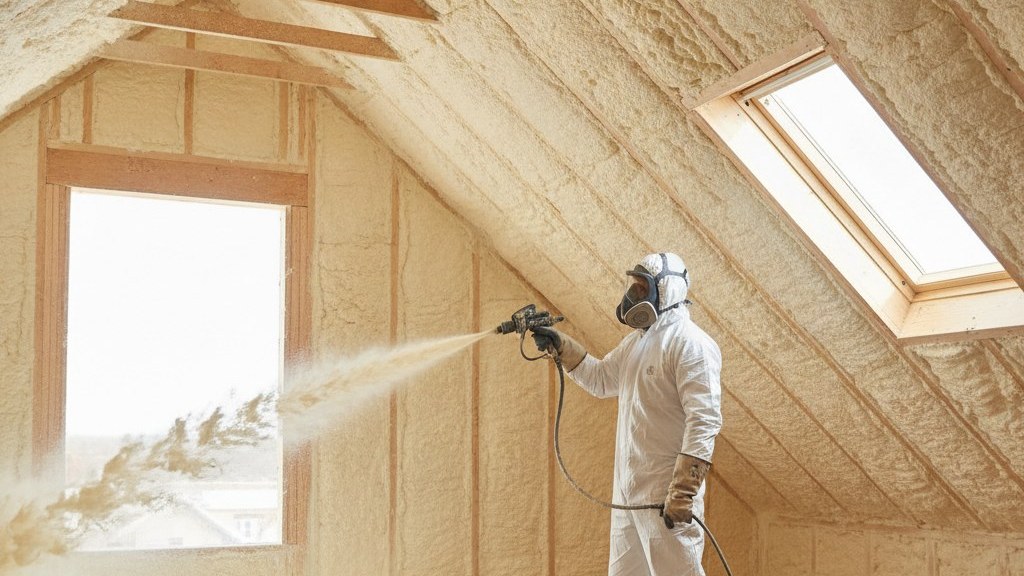
Spray foam insulation is a chemical reaction, not a material that's simply applied -- an A-side and a B-side component are pumped through heated hoses at a precise ratio and mixed at the gun tip, curing into a stable foam structure within seconds of hitting the surface. When that ratio, temperature, or technique is off, the result isn't invisible. It shows up as a specific set of symptoms that a homeowner can usually spot without needing to be an insulation expert, and knowing what they are is the first step to getting it fixed.
Sign one is a smell that won't quit. A correctly cured spray foam job has a noticeable chemical odor for the first day or two after installation, which is normal and expected as the last of the reaction finishes off-gassing. If that smell is still strong a week later, and especially if it's still noticeable a month or more later, that's a strong indicator the foam is off-ratio and never fully cured. Off-ratio foam can continue releasing uncured chemical compounds indefinitely because the reaction that's supposed to lock them into a stable structure never finished.
Sign two is texture. Reach up and press on the foam in an accessible spot -- an attic rafter bay or an exposed rim joist, for example. Correctly cured foam is firm: open-cell has some give but springs back, closed-cell is rigid. Foam that stays tacky or soft to the touch, feels spongy in a way that doesn't spring back, or crumbles and flakes apart when pressed is showing the physical signature of an off-ratio mix or a botched cure.
Sign three is visible gaps and thin spots, especially in the places that are hardest to spray evenly -- tight eave lines, rim joist corners, and around obstructions like plumbing stacks or electrical boxes. A rushed job, or a technician working in a space with limited access, often skips or shorts these transition areas even when the flat, easy-to-reach surfaces look fine. A quick visual check with a flashlight at the eaves and corners of an attic often tells you more than checking the wide-open middle of the roof deck.
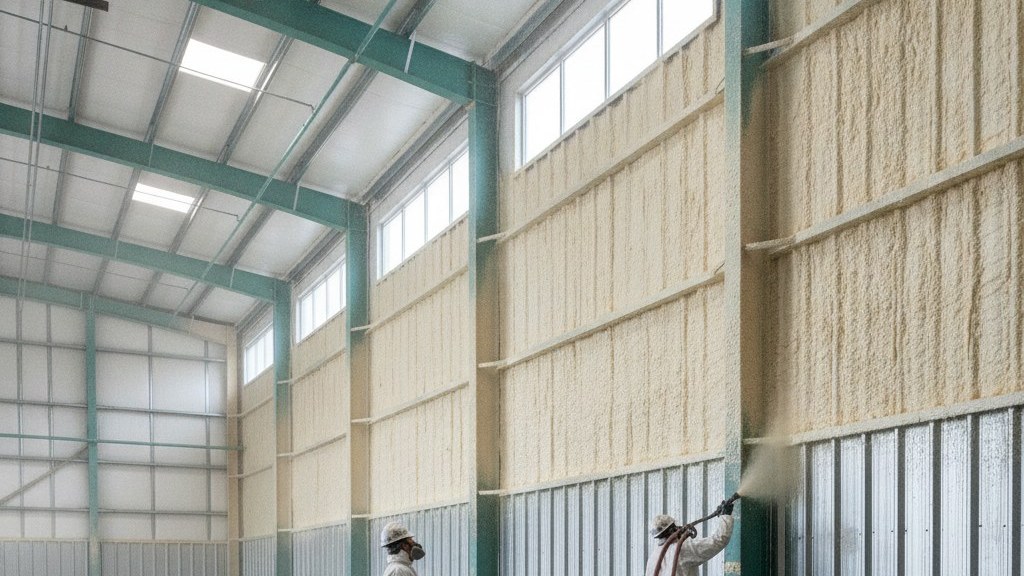
Sign four is foam pulling away from what it was sprayed onto -- delaminating from roof decking, wall framing, or a metal panel, sometimes visible as a hairline gap or a section that's clearly no longer bonded. This can happen from an off-ratio mix that never achieved proper adhesion, from spraying over a dirty or contaminated surface, or in some cases from moisture that got trapped behind the foam and worked it loose over time.
Sign five is a failed inspection tied specifically to the foam -- most commonly a missing ignition-barrier or thermal-barrier coating over foam that's exposed to living or storage space rather than sealed behind drywall. This is a code requirement, not an optional finish, and it's one of the more common things we find missing when we're called in after an inspector flags a job. It's also one of the easiest things for a rushed installer to skip, since it's an extra coating pass after the foam itself is already sprayed and, to an untrained eye, the job already looks finished.
If you're recognizing one or more of these signs, the next step is an on-site assessment rather than guessing. We check cure state, coverage, and thickness across the whole assembly -- not just the spot you noticed the problem -- because off-ratio mixing from a miscalibrated rig or an inconsistent technician often affects more of the job than the one section that first caught your attention.
Correction almost never means starting completely over. In most cases we remove only the sections that actually failed -- mechanically scraping and cutting the bad foam away from the roof decking, framing, or panel underneath rather than chemically dissolving it, which protects the structure from further damage -- and re-spray those areas with the correct product, ratio, and thickness. Where a missing ignition barrier is the only issue, sometimes the fix is simply adding the required coating rather than removing any foam at all.
This kind of work comes up more often than people expect, for a few consistent reasons: rushed timelines on production-home schedules, a technician who's newer and hasn't caught a drifting ratio mid-job, spray equipment that wasn't properly calibrated or maintained that day, or a crew working in weather conditions -- too hot, too cold, wrong humidity -- outside the product's application range without adjusting technique for it. None of those are things a homeowner can see happening in real time, which is exactly why the after-the-fact signs above matter.
If you're seeing one or more of these signs, resist the urge to handle it yourself before getting a professional assessment. Cutting into or disturbing off-ratio foam without knowing the extent of the problem can spread loose material, expose you to uncured chemical compounds unnecessarily, or mask evidence an inspector or a correction crew would otherwise use to diagnose the root cause. Instead, photograph what you're seeing -- the texture, any visible gaps, the specific locations -- and note when the smell or issue was first noticed, since that timeline is genuinely useful information during the diagnostic walkthrough.
It's also worth acting on this sooner rather than later, particularly for roof-deck or crawl space applications. Foam that's disbonded from decking or framing, or that trapped moisture behind it during a botched application, can allow ongoing moisture exposure to the wood underneath even after the immediate odor or texture issue seems to have settled down. The earlier a correction crew can assess and address it, the less likely the underlying structure has taken on additional damage in the meantime.
Frequently asked questions
Yes -- a noticeable chemical smell for the first day or two after installation is expected as the final part of the cure finishes off-gassing. It's a smell persisting well beyond that window that points to a problem, not the initial smell itself.
Yes, if you can safely access it -- press firmly on an exposed section and see whether it feels firm and stable or soft, tacky, and spongy. It's a reasonable first check, though an on-site professional assessment is the way to confirm what you're feeling.
No -- most correction jobs address only the sections that actually failed rather than the entire installation. We assess coverage and cure state across the whole assembly before recommending removal, and we only remove what's actually necessary.
We take on correction work regardless of who did the original install, including situations where the original contractor is unresponsive, out of business, or disputing the problem. We'll assess it independently and give you a clear, documented scope either way.
Ready for a free quote?
Tell us about your home and we'll build a clear, no-pressure quote.